Harnessing Comfort and Control: A Guide to Dog Harnesses
Choosing the Right Harness for Your Dog
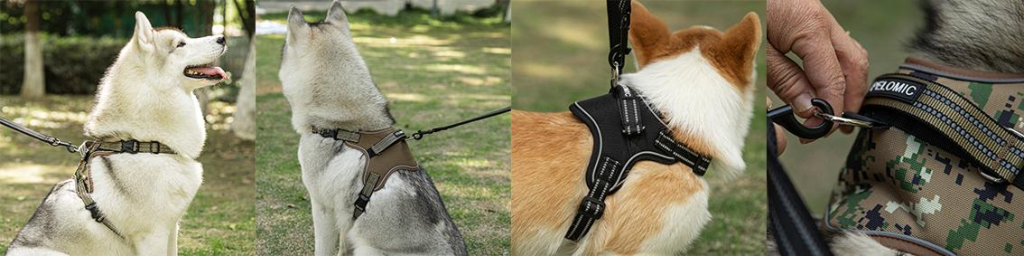
Selecting an appropriate dog harness is a critical decision that directly impacts your pet’s comfort and your control during walks. The process begins with accurate measurements of your dog’s chest girth, typically taken at the widest part of the ribcage behind the front legs, and neck circumference. Manufacturers provide specific sizing charts, and it is essential to consult these guides rather than relying on generic weight-based estimates, as breed builds vary significantly.
A properly fitted harness should allow you to slip two fingers comfortably between the straps and your dog’s body, ensuring snugness without constriction that could cause chafing or restrict breathing. The fit around the neck and chest should be secure but never tight, with enough room for natural movement during walking, running, and turning.
The primary harness categories serve distinct purposes based on canine behavior and human needs. Front-clip harnesses, where the leash attaches to a ring on the chest, are widely recommended for dogs that pull excessively. This design gently redirects the dog’s momentum sideways, discouraging pulling by disrupting forward motion. Back-clip harnesses, which connect on the back between the shoulder blades, offer a simpler design that is excellent for well-mannered walkers, small dogs, or dogs with respiratory sensitivities, as they avoid pressure on the trachea.
Benefits Beyond the Basic Leash
A well-designed harness provides substantial welfare advantages over traditional collars, particularly for specific canine profiles. Brachycephalic breeds with short snouts, such as Pugs, French Bulldogs, and Boston Terriers, are prone to respiratory issues. Pressure from a collar on their sensitive tracheas can exacerbate breathing difficulties and, in severe cases, cause injury.
A harness distributes force evenly across the stronger chest and back muscles, completely bypassing the neck and throat. This distribution of pressure also benefits dogs with pre-existing neck, back, or thyroid conditions, making walks safer and more comfortable. Additionally, harnesses can prevent the development of tracheal collapse in susceptible breeds when used consistently from a young age.
For the human at the other end of the leash, a harness offers superior control and safety. The broader surface area and secure fit make it significantly more difficult for a dog to slip out and escape, a common risk with ill-fitting collars. This security is paramount in high-traffic areas or unfamiliar environments.
Furthermore, the control provided by a front-clip harness can be transformative for walking strong, energetic, or reactive dogs. By offering gentle guidance and reducing pulling leverage, it minimizes strain on the owner’s wrists, shoulders, and back, turning a stressful tug-of-war into a more manageable and enjoyable stroll for both parties.
Features, Fit, and Maintenance
Modern harnesses incorporate thoughtful features that enhance functionality. Reflective stitching or strips are crucial for visibility during early morning or evening walks. A sturdy handle on the back is invaluable for quickly guiding a dog over obstacles, preventing a jump, or offering stability in crowded spaces.
For adventurous duos, harnesses with MOLLE webbing or attachment points allow for carrying portable water bowls or small bags. Padding, particularly around the chest strap and armholes, is a key comfort feature for active or long-haired breeds, preventing uncomfortable rubbing during extended use. Breathable mesh materials in these padded areas help prevent overheating during warmer months.
Maintaining a harness ensures its longevity, safety, and hygiene. Most nylon or padded harnesses are machine washable; however, it is advisable to air dry them to prevent shrinkage or damage to internal foam from high heat. Regular inspection for signs of wear—such as frayed stitching, faded material, or compromised plastic buckles and D-rings—is essential.
A damaged harness can fail unexpectedly. Finally, a dog’s harness fit should be rechecked periodically, as weight gain, loss, or seasonal coat changes can alter the necessary adjustments, ensuring comfort and security remain consistent over time. Cleaning frequency depends on use, but a monthly wash is recommended for regular walkers to remove dirt, sweat, and oils that can degrade materials.