Dogs and Plush Toys: The Perfect Combination of Comfort, Entertainment, and Emotional Companionship

Why Do Dogs Need Plush Toys?
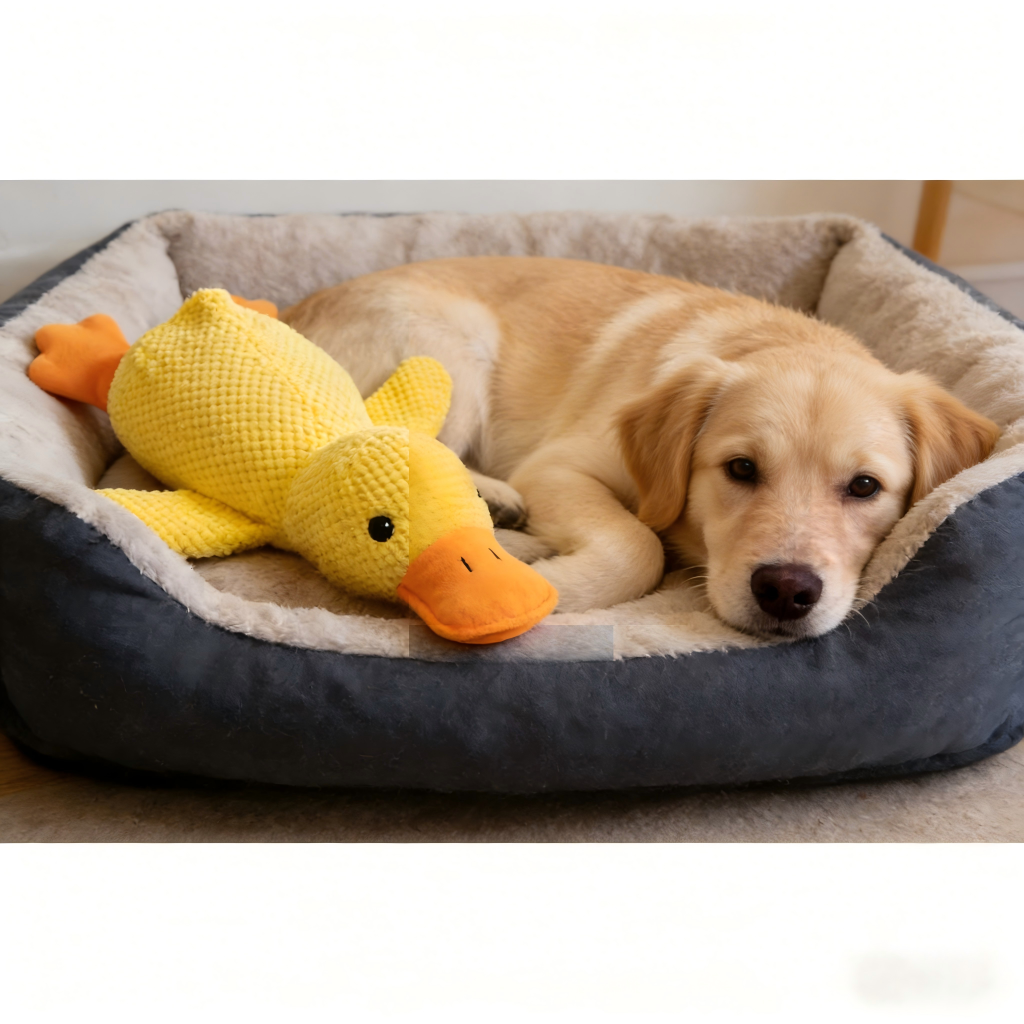
Plush toys are far more than simple playthings for dogs. They serve not only as anxiety-relieving comfort objects but also as an outlet for their natural urge to chew. For many dogs, these soft toys become emotional companions—some furry friends are treated as “buddies” or even “babies” and cared for tenderly. For dogs who spend long periods alone, such toys can provide distraction, reduce separation anxiety, and help maintain healthy teeth and gums through moderate chewing and interaction.
Soothing Colors: Which Colors Best Help Dogs Relax?
A dog’s vision differs from that of humans. They primarily perceive blue and yellow tones and have weaker ability to distinguish between red and green. Therefore:
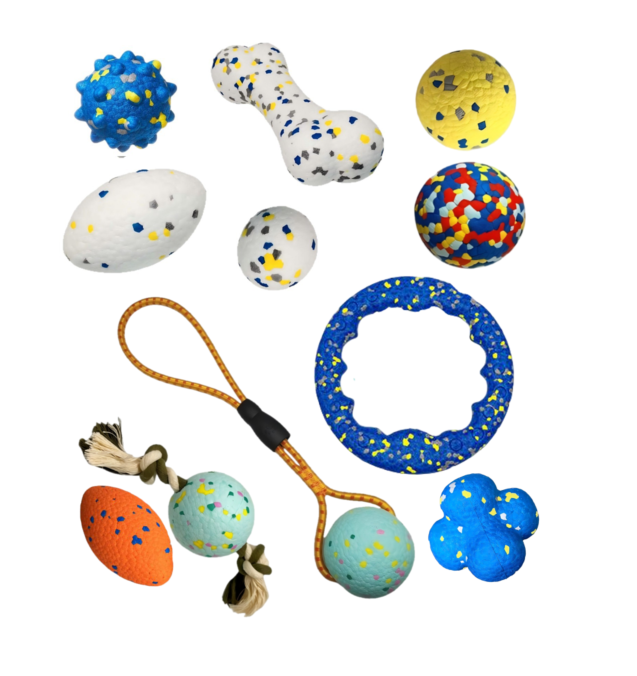
- Best choice: Blue tones – Shades like navy blue and sky blue appear softest to dogs and have a naturally calming effect.
- Good alternative: Yellow tones – Soft yellows and beige are also generally well-received.
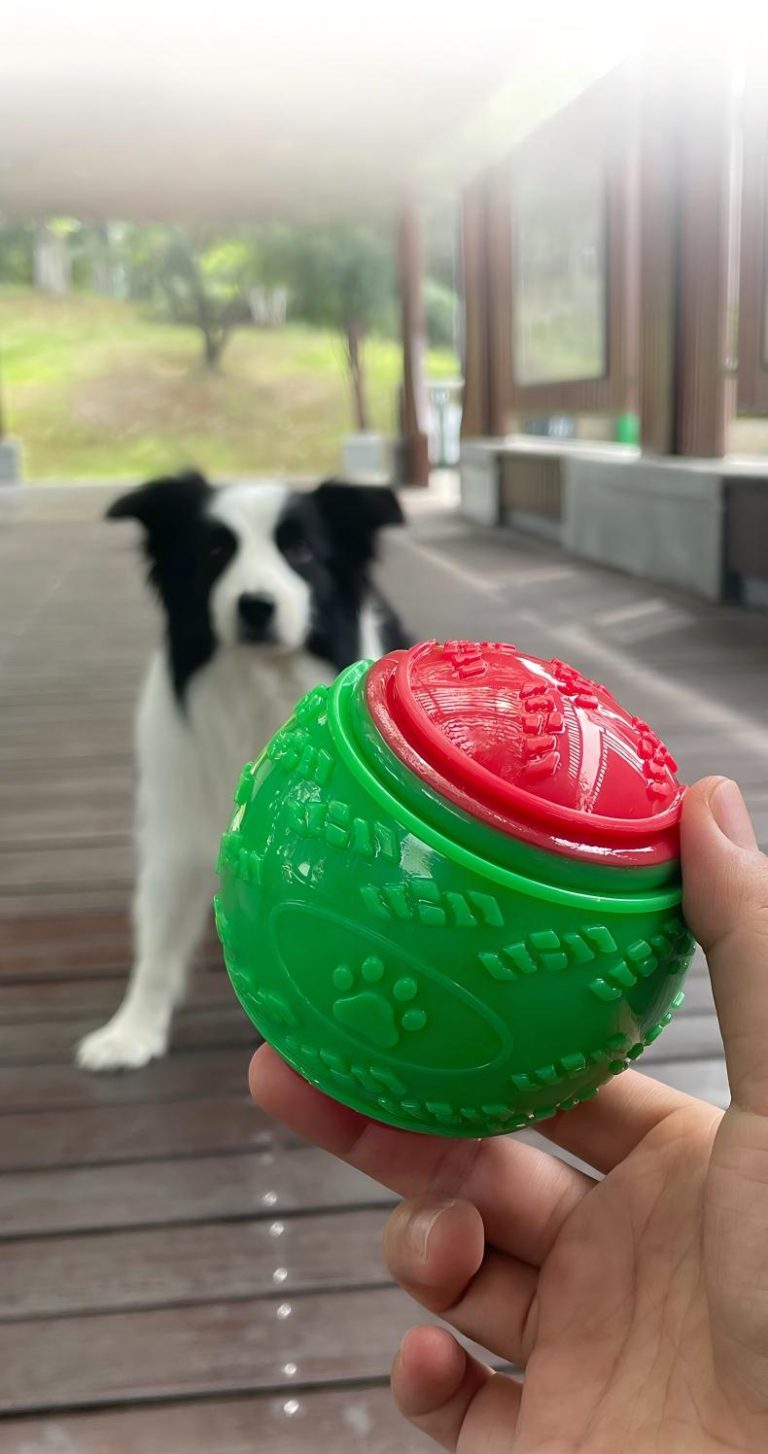
- Avoid high-contrast colors – Mixed reds and greens or bright fluorescent colors may unsettle some dogs.
Tip: Toys in colors found in nature (like sky blue or grassy yellow) are often most appealing to dogs.
Built-In Sounds: Delight or Distress?
Many plush toys come with built-in sound devices that produce squeaks, grunts, or other noises. Dogs’ reactions to these sounds vary individually:
Sounds dogs generally enjoy include:
- Short, high-pitched squeaks (mimicking small animal sounds)
- Soft grumbling or rumbling sounds (similar to contented vibrations)
- Gentle jingles or rustling noises
Points to consider:
- When introducing a sound-making toy for the first time, observe whether your dog seems tense.
- Avoid excessively loud or sudden sounds.
- Some dogs become overly excited by squeaky toys, so playtime may need to be limited.
What Kind of Plush Toys Do Dogs Prefer?
Depending on a dog’s size, age, and personality, an ideal plush toy should have:
Safety first:
- No easily detachable small parts (like plastic eyes or buttons)
- Secure stitching and safe, non-toxic filling
- An appropriate size (not small enough to be swallowed)
Material and design:
- Long-pile or short-pile fabric, depending on the dog’s preference
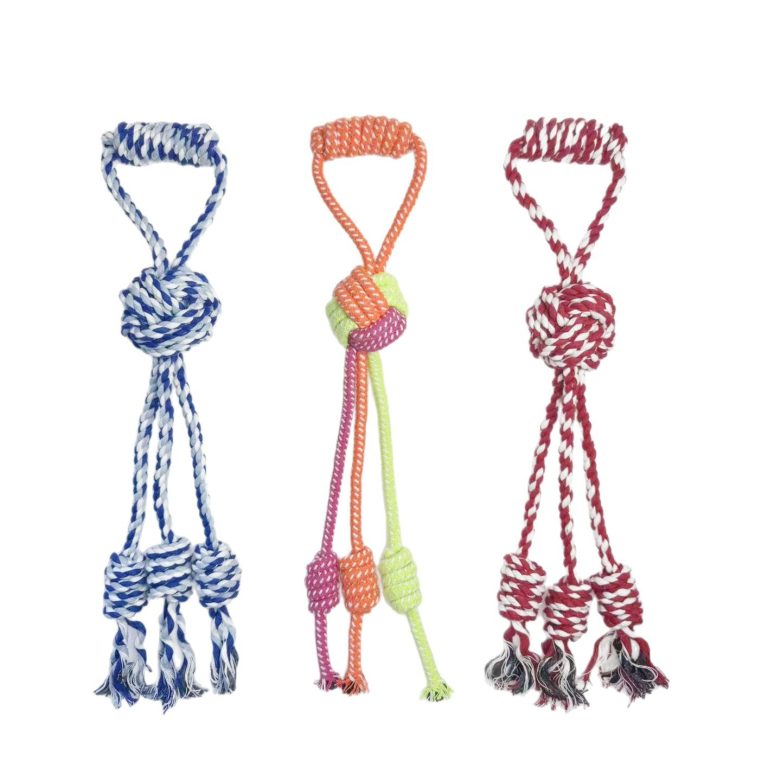
- Toys with rope elements or hidden chew zones tend to be more durable
- Lightweight for easy carrying
Bonus features:
- Hidden pockets for treats
- Varied textures on the surface to stimulate touch
- Moderate elasticity for more engaging interaction
Choosing the Right Toy for Your Dog
- Puppies: Opt for soft, easy-to-grip plush toys to soothe discomfort during teething.
- Adult dogs: Choose based on energy level—high-energy dogs may prefer durable chew toys, while calmer dogs might enjoy cuddly types.
- Senior dogs: Lightweight, easy-to-chew plush toys that provide gentle mental stimulation.
Helpful Tips
- Rotate toys: Maintain novelty by swapping out toys every 3–4 days.
- Interactive play: Plush toys played with together become more cherished by your dog.
- Regular inspections: Repair damages promptly to prevent ingestion of filling.
- Respect preferences: Some dogs enjoy “caring for” plush toys, others love “conquering” them—follow your dog’s natural instincts.
Plush toys are not just objects—they are little joys in a dog’s daily life. By observing and understanding your dog, you can surely find the perfect one for your furry companion. After all, seeing them curled up contentedly beside their favorite toy is one of the warmest moments for any dog owner.
What kind of plush toy does your dog love most? Share your stories below!